Geopolitical Escalation in the Middle East: Impact on Venture Capital Investments
RI
Executive Summary
The transition from localized proxy conflicts to direct, high-intensity state-on-state warfare between the United States/Israel and Iran has fundamentally recalibrated the global risk environment. As of February 28, 2026, the launch of joint military strikes targeting Iranian nuclear infrastructure and senior leadership—including reported targets such as Supreme Leader Ayatollah Ali Khamenei and President Masoud Pezeshkian—marks a definitive end to the era of "contained escalation."
For venture capital (VC) investors, this conflict signals a structural shift in investment trajectories. Immediate impacts include the destabilization of global energy supply chains (specifically the Strait of Hormuz), the emergence of a viable internal Iranian political alternative (the NCRI Provisional Government). For Canada, a nation whose economy is inextricably linked to global energy markets and trade stability, this volatility presents both a risk of systemic shock and a demand for accelerated investment in energy security, defence technologies, and supply chain resilience.
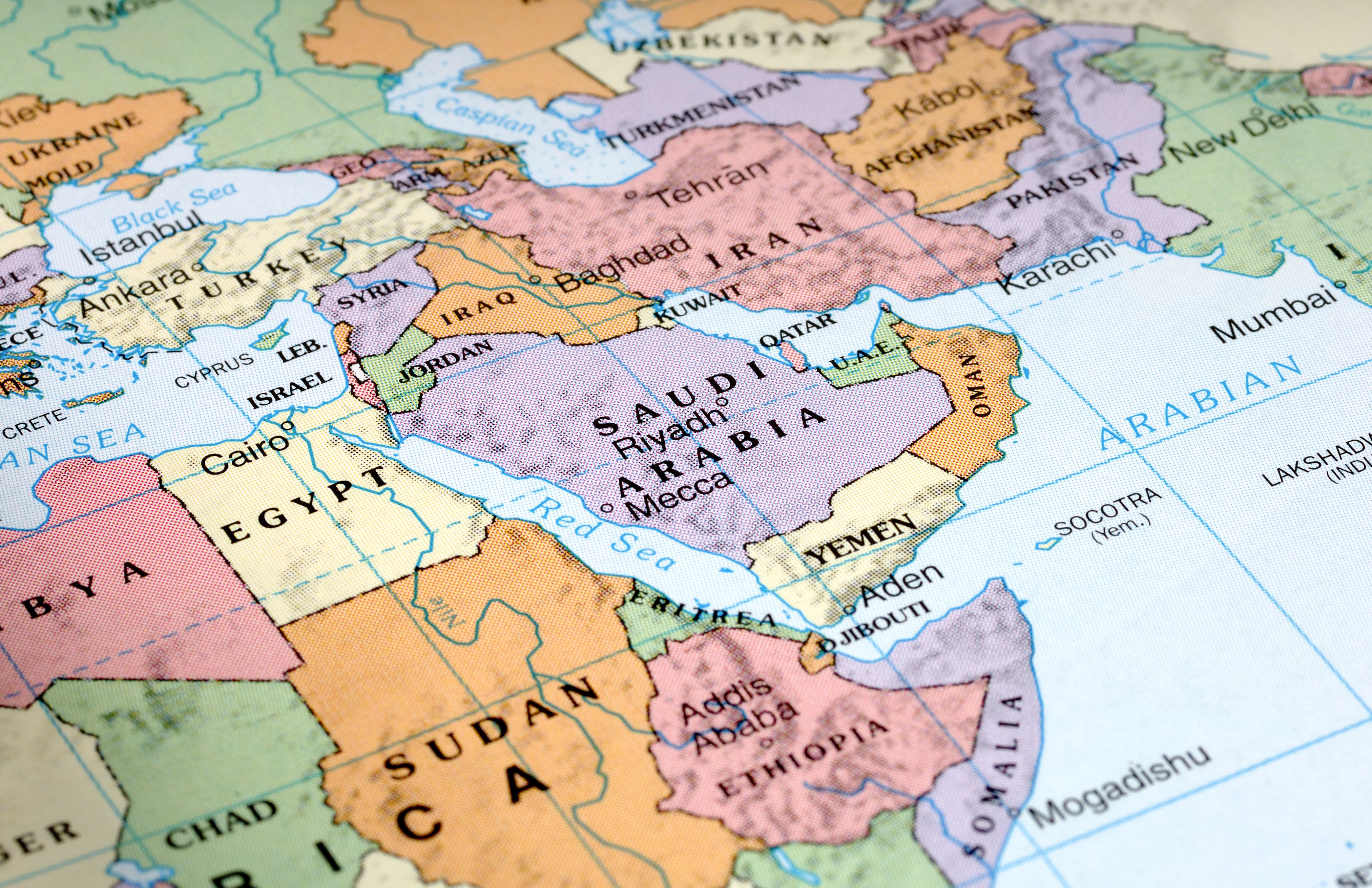
The Kinetic Landscape: Direct Conflict and Leadership Attrition
On February 28, 2026, the geopolitical landscape shifted following "major combat operations" initiated by the United States and Israel. This intervention deviates from historical precedent through its scale and target selection.
- Targeted Infrastructure: Extensive strikes have hit military and nuclear sites in Tehran, Isfahan, Qom, Tabriz, Karaj, and Bushehr. This includes specific "missile cities" and radar installations.
- Leadership Decapitation: Operations targeted the highest echelons of the Iranian regime. While U.S. and Israeli officials suggest Supreme Leader Khamenei may be deceased, Iranian sources claim he remains in a secure location "firmly in control."
- Iranian Retaliation: The Islamic Revolutionary Guard Corps (IRGC) launched a large-scale missile and drone offensive targeting Israel and U.S. military bases in the Gulf, including Al-Udeid (Qatar), Al-Salem (Kuwait), Al-Dhafra (UAE), and the U.S. Fifth Fleet base in Bahrain
- Collateral and Communication: Civilian casualties include at least 40-80 deaths in a strike on a school. Internally, Iran's connectivity has collapsed to 4%, accompanied by domestic panics over fuel and supplies.
Macro-Strategic Analysis: The Energy Choke Point
The Strait of Hormuz remains the most critical variable for global market stability. The potential for a total blockade by Iran—though militarily difficult to sustain—poses a systemic threat to the global economy.
Investment Implications: While Saudi Arabia and the UAE possess pipeline infrastructure capable of bypassing the Strait (approx. 2.6 million barrels per day of spare capacity), it is insufficient to offset a total closure. Investors should anticipate extreme volatility in oil prices, though the potential for a "long-term" blockade is assessed as low due to the likelihood of overwhelming U.S. military retaliation.
Strait of Hormuz Data Points
| Metric | Impact Detail |
| Global Oil Volume | Approximately 20 million barrels per day (20% of global consumption). |
| Seaborne Trade | Over 25% of all global seaborne oil trade passes through the Strait. |
| LNG Impact | 20% of global Liquefied Natural Gas (LNG) trade, primarily from Qatar. |
| Primary Markets | 69% of the flow is destined for Asian markets (China, India, Japan, South Korea). |

Internal Transformation: The Rise of a Democratic Alternative
Concurrent with the external strikes, the internal Iranian political landscape is undergoing a radical transition. The National Council of Resistance of Iran (NCRI) has announced the formation of a Provisional Government.
- Transition Roadmap: The Provisional Government is tasked with transitioning sovereignty to the people and establishing a Democratic Republic based on Maryam Rajavi’s Ten-Point Plan.
- Resistance Surge: PMOI-led "Resistance Units" have launched a synchronized visual offensive across major cities, raising banners of the National Liberation Army (NLA) and declaring the end of both religious and monarchical dictatorships.
- State Fragility: The combination of economic collapse (currency devaluation), a nationwide January 2026 uprising, and the current military strikes has pushed the regime to a point of unprecedented vulnerability.

Venture Investment Trajectory and Meaning for Canada
In the context of venture capital, the Middle East tension acts as a catalyst for specific sector rotations. The Canadian landscape, as a participant in the G7 and a major energy producer, is positioned at the intersection of these shifts.
1. Shift Toward "Hard" Security and Sovereignty Tech
The trajectory of venture investment is moving away from purely consumer-facing software toward "Sovereignty Technologies."
- Defence & Dual-Use: The effectiveness of Iranian drone swarms and the requirement for advanced interception (Patriot systems) will drive capital into autonomous defence systems and dual-use aerospace technology.
- Cybersecurity & Infrastructure: With Iranian internet connectivity being weaponized or severed, there is a heightened demand for decentralized communication networks and hardened infrastructure.
2. Energy Transition and Resilience
For Canada, the Middle East crisis underscores the strategic necessity of being a reliable energy alternative.
- Upstream Oil & Gas: High volatility and supply threats in the Gulf increase the valuation of North American energy assets. VC interest is expected to pivot toward oilfield services and efficiency-maximizing technologies.
- Energy Security Tech: The threat to the 20% of global LNG passing through Hormuz will likely accelerate investment in alternative energy storage and Canadian LNG export infrastructure as a stabilizing force for Asian markets.
3. Supply Chain Decoupling
The conflict reinforces the "Geopolitical Risk is Corporate Risk" mantra.
- Reshoring Logistics: Investors are increasingly prioritizing startups that facilitate "friend-shoring" or domestic supply chain transparency to mitigate the risks of shipping lane closures in the Gulf or Red Sea.
Conclusion
The 2026 strikes on Iran represent a transition from a "rules-based" order to a "security-based" order. For the venture capital industry, the investment trajectory is now dictated by the need for resilience against systemic geopolitical shocks. While the conflict poses immediate risks to global trade and energy costs, it clarifies the value proposition of stable democratic jurisdictions like Canada as essential hubs for the next generation of energy and security innovation. Investors must closely monitor the stability of the Strait of Hormuz and the viability of the burgeoning Iranian Provisional Government as lead indicators for the next phase of global market realignment.